

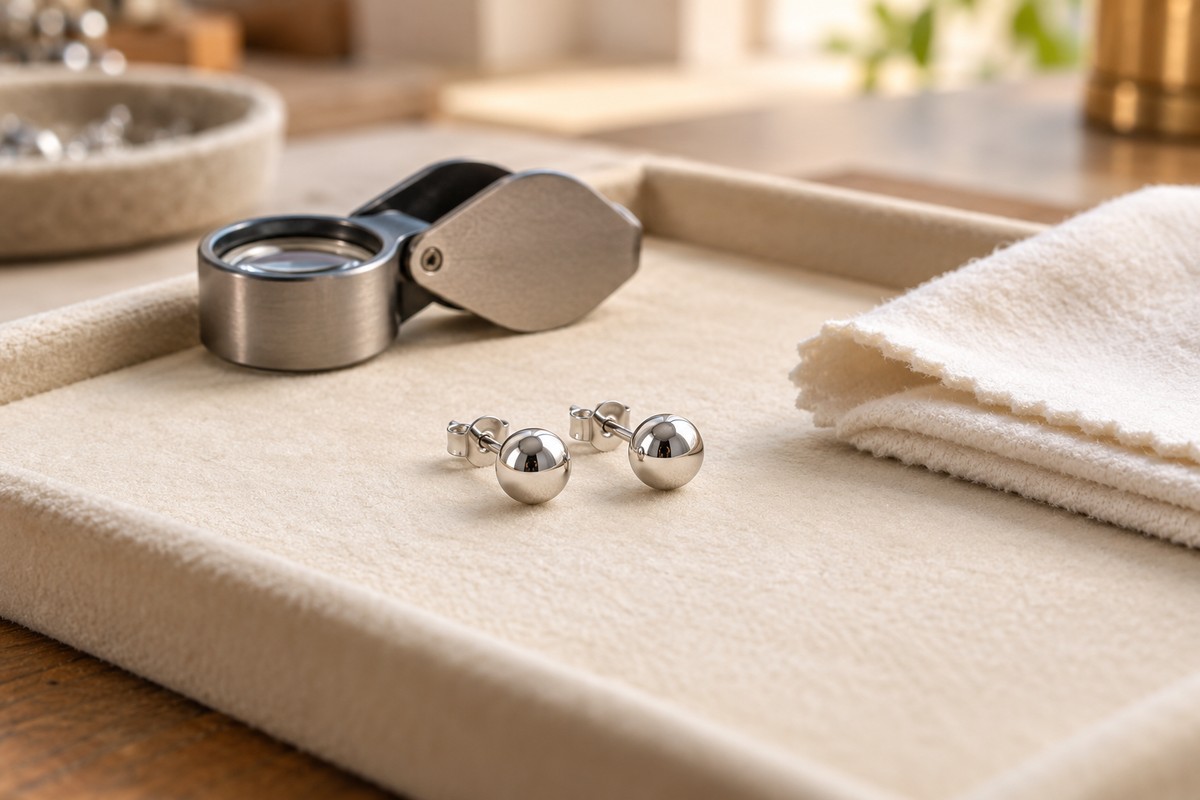
If the finish on a favorite pair of earrings has changed, pause before reaching for silver polish or booking a replating service. Find the original finish details, note which parts changed and check whether a repair is needed.
Rhodium plating is a thin coating over another metal. Jewelers of America's explanation of rhodium plating notes that this layer can wear and reveal the alloy beneath. Appearance alone cannot tell you which treatment the piece needs.
Photograph the change before cleaning
Set the earrings on a plain surface in good light. Take a front view, a side view and a photograph of the post, back or clasp. Include both earrings, even if only one looks worn. The pictures record the condition for the seller or jeweler.
Note when you first noticed the change and any cleaning products already used. Describe what you see: a dull patch, changed color, a catching edge or a clasp that no longer closes properly. A photograph cannot confirm that a dark area is tarnish or a pale patch is exposed metal.
Our guide to earring metals and tarnish explains the broader material questions. For this pair, keep the focus on its present condition and documented finish.

Find the original finish instructions
Look for the order receipt, selected finish and care information. Ask the original seller which components were coated. Identify the front, post and removable back separately; their finishes may differ.
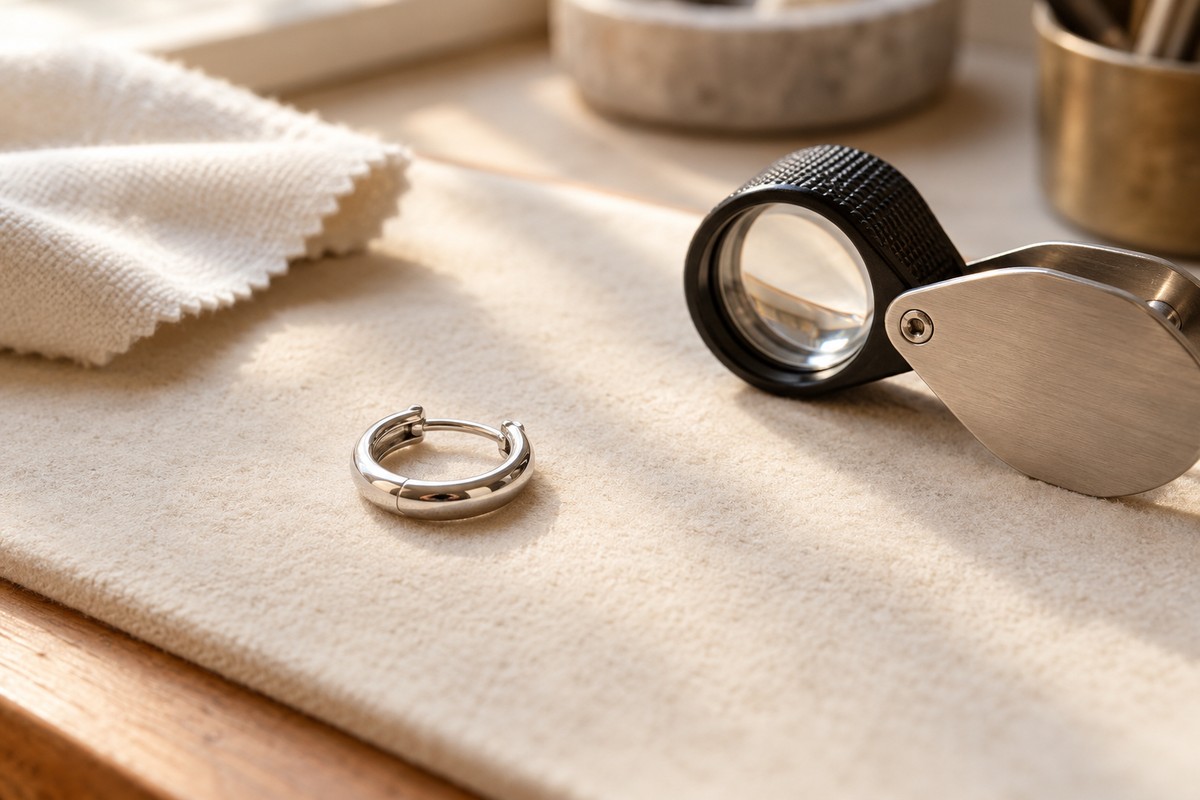
For example, our S925 Ball Studs and Date Night S925 Hoops identify sterling silver in their listings, but neither listing confirms rhodium plating. For either pair, ask about the actual finish before requesting rhodium-specific maintenance. A silver appearance alone does not answer that question.
Ask whether an earlier repair changed the finish. Save the maker's answer with your order details, and share it with the jeweler assessing the pair.
Keep routine care within the maker's instructions
Use the care directions for the complete earring, including any stones, coatings and decorative parts. A method suggested for bare silver or a plain metal ring is not automatically appropriate for another construction.
The Canadian Conservation Institute explains that abrasive polishing removes surface material and can damage thin plating. If the instructions do not address polishing, ask before using a polishing compound, treated cloth, dip or powered cleaning device. Name the cleaning product when you ask; "jewelry cleaner" is too vague.
Do not scrub a patch more aggressively because it remains visible. If the approved routine does not resolve the appearance change, show the piece to a jeweler. Tell them which methods you have already tried.
Ask for an inspection before authorizing a new coating
Jewelers of America's repair guide describes assessing the piece and providing a quote before work is approved. Explain the result you want, then ask what the jeweler finds. Does the piece need cleaning, surface refinishing, a mechanical repair, or a combination? Ask them to check any loose stones, rough areas, posts, backs and closures before agreeing on cosmetic work.
Discuss whether the proposed service suits the complete construction. Which parts would be treated, and which would be left as they are? Would either earring need a replacement component? If the jeweler cannot identify the existing finish or material, ask what further assessment is possible before work begins.
Let the jeweler assess the treatment. Do not experiment with chemical stripping or plating solutions to find out what the earrings contain.
Agree on the work and check the returned pair
Get the proposed work and price in writing, specifying one earring or the pair. Confirm the expected appearance, any parts to be replaced and the care instructions that will apply afterward. Ask to approve any additional work first.
On collection, compare the earrings with your earlier photographs. Check the parts and finish against the receipt, and ask the jeweler to demonstrate the closures. Keep the service record with the original order.
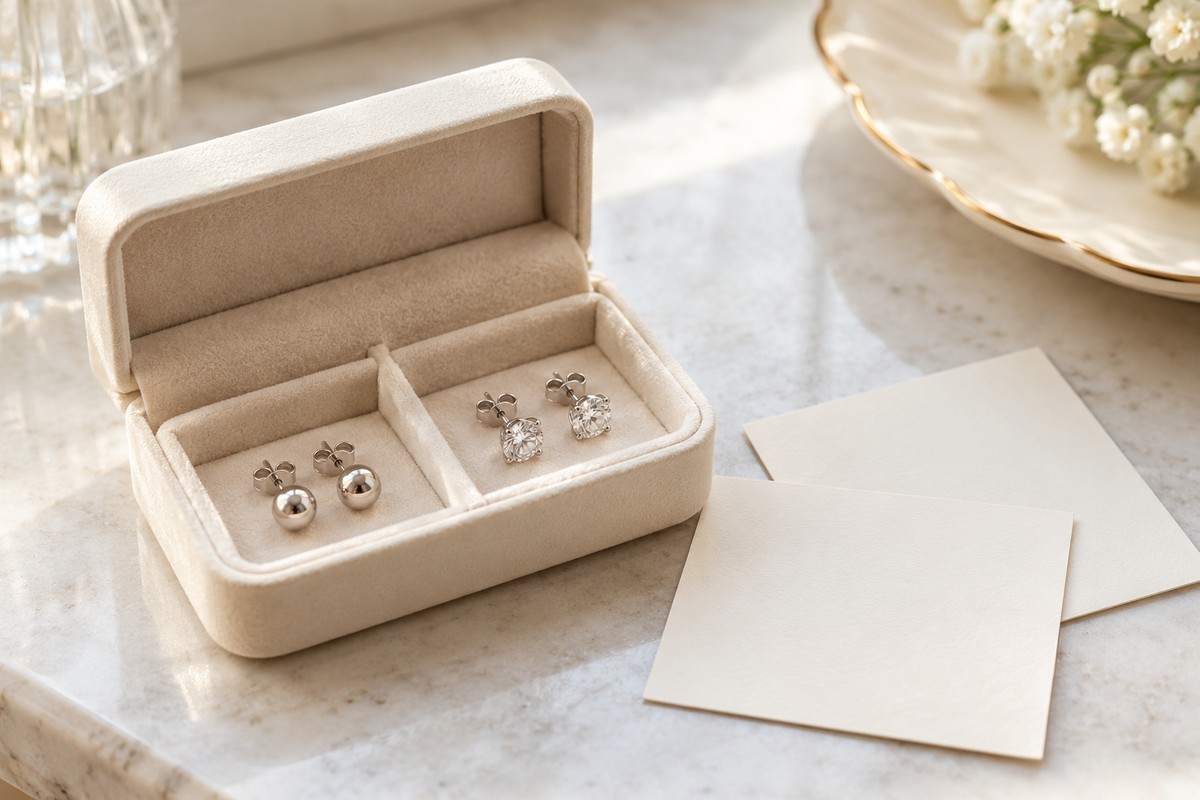
A fresh coating does not establish the composition of every component. Our sterling silver and sensitive-ear guide covers that separate question. Refinishing cannot promise suitability for every wearer.
Questions about refinishing earrings
Should both earrings be replated if only one looks worn?
Ask the jeweler to assess the pair together and explain the options. Discuss the appearance you expect and whether treating one or both pieces is appropriate before accepting the quote.
Should I book replating every year?
Use the maker's advice and an assessment of the actual earrings. A general schedule for rings does not establish when your pair needs work, and an unchanged appearance alone is not a complete condition check.
What if the repair costs more than replacing the pair?
Compare the written quote with your alternatives and the value the earrings have to you. Ask what the service can reasonably achieve. Sentimental value may matter to your decision, but it does not make every repair technically suitable.

Related posts
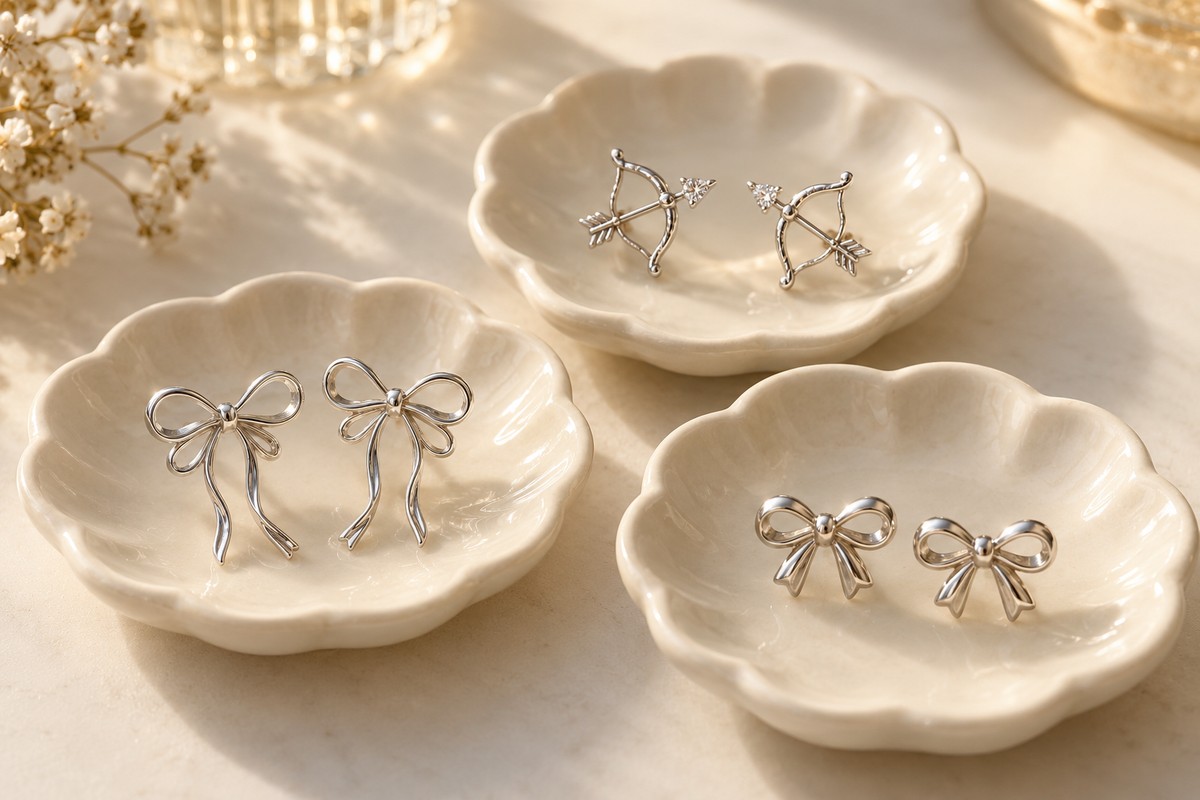
Ribbon Bow Earrings or Arrow-and-Bow Studs? Choose the Motif First
Bow earrings can mean a ribbon knot or an archery design. Refine your search, compare three real pairs, and decide how the motif works with your outfit.
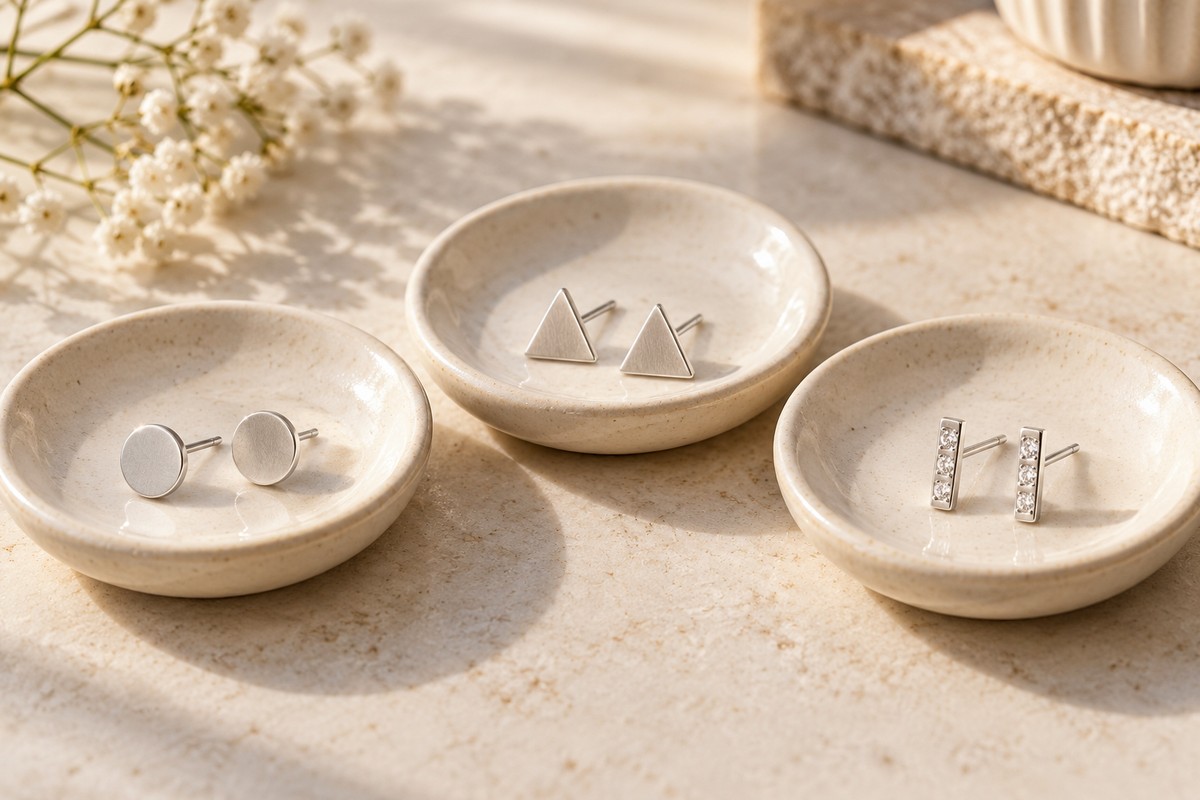
Minimal Geometric Earrings: Round, Triangle or Bar?
Compare round, triangle and bar earrings with the lines in your clothing. Use simple shape, open-space and accessory choices to build a look you enjoy.
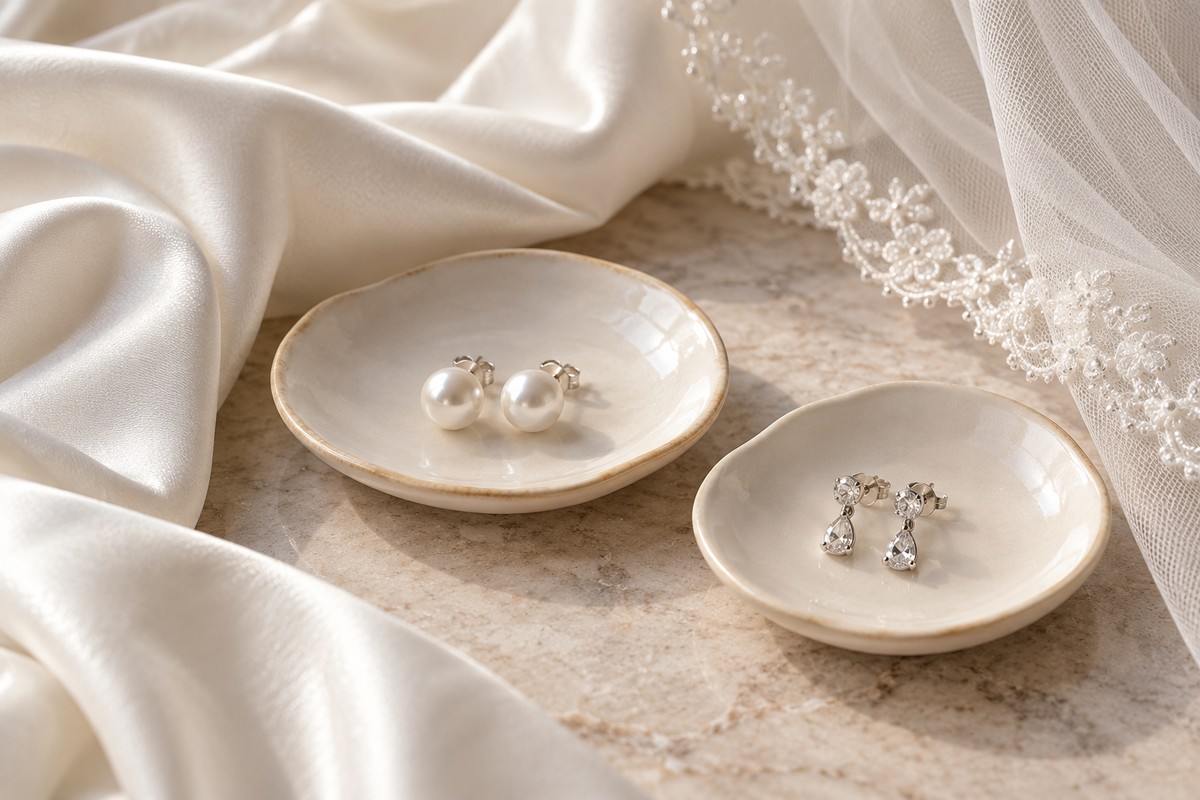
Wedding Earrings for Sensitive Ears: Rehearse the Whole Outfit
Try wedding earrings with your planned hairstyle, veil, neckline and outer layer. Compare photographs, notice catching and prepare a familiar backup pair.